
Below-Knee Prosthetic Foot
This body of research aims to generate the knowledge and technology required to successfully realize a product line of low-cost, high-performance prosthetic feet that enable near-able-bodied walking for below-knee amputees. We have developed design frameworks and metrics that provide quantitative and predictive connections between the mechanical properties of prosthetic feet and their anticipated bio-mechanical performance. This facilitates amputee-specific personalization without the need for extensive, costly empirical testing during the design and fitting processes. We aim to produce product lines of prosthetic feet for children and adults that are compatible with existing global fitting practices and mass-manufacturing techniques, while providing performance similar to high-end, carbon fiber prosthetic feet at a fraction of the cost.
For more information, reach out to our corresponding researcher, Autumn Geil.
There is a global need for high-performance and affordable passive prosthetic feet
A well-fitted prosthesis with a high-performance prosthetic foot and rehabilitation can greatly improve the mobility and quality of life of amputees, but global access remains limited. Most amputees reside in low and middle income countries (LMICs) where high-performance prosthetic feet are prohibitively expensive and users have limited choices suitable for their needs. In India alone, there are about one million people with lower limb amputations. These people are using inadequate limbs that require significantly more effort to walk, exhibit unnatural walking motions, and are subject to social stigmas preventing them from employment and independent living. There is a gap between the high performance prosthetic feet in the United States that cost thousands of dollars and the affordable prostheses used in LMICs that lack quality, durability, and performance. To address this gap, GEAR Center is working with the Jaipur Foot Organization to design a high-performance, affordable passive prosthetic foot. The Jaipur Foot is the most widely distributed prosthetic foot in the world, and has been successful due to its lifelike look, flexibility, and extreme durability. We aim to create an energy storage and return (ESR) prosthetic foot - clinically recommended for active users - that is lighter, can be mass-manufactured, meets international testing standards, is compatible with other prosthetic equipment, and matches or exceeds the durability of the Jaipur foot.
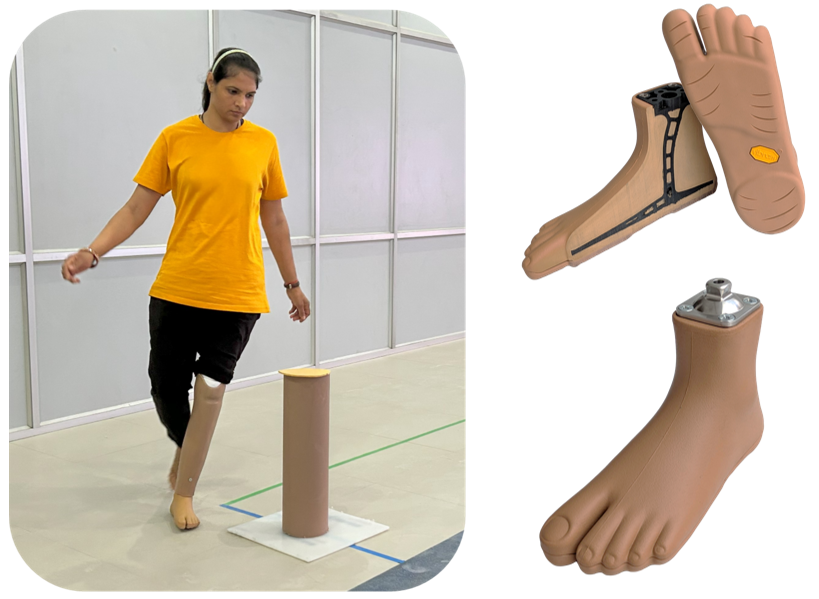
Figure 2: Benefits of the market-ready LLTE Foot include high biomechanical performance, user satisfaction, and achievement of international safety standards
Developing the REActiv product line
The predictive design of REActiv feet means any patient of varying mass and size can receive a foot that maximizes their walking performance and comfort with minimal in-clinic iterative fitting. We are developing a product line for the REActiv foot that balances the tradeoffs between biomechanical performance and practical considerations such as cost, manufacturing, and distribution. The aim of this research is to maximize biomechanical performance for end-users while ensuring that the cost and size range of REActiv feet fit within the Jaipur Foot Organization’s current provision model. Our preliminary results show that a given foot design can work for a range of body masses and sizes, which supports a finite, tractable product line of REActiv feet.
The REActiv Foot
REActiv feet are made of low-cost nylon plastic, designed using our novel LLTE framework, to enable near-able-bodied lower leg motion during walking. User testing of LLTE-optimized REActiv feet showed they have more energy storage and as good or better replication of able-bodied walking, and strong user preference compared to industry-standard carbon fiber feet. The REActiv foot meets international (ISO) safety, loading, and fatigue standards, is compatible with common prosthesis attachment methods globally, and is mass-manufacturable. The cosmetic overmold of the foot was developed with Vibram, the global leader in shoe sole design, to ensure REActiv feet are aesthetically pleasing and provide durability for long-term rugged terrain use. An ongoing pre-production field trial in India with the Jaipur Foot Organization and Mobility India will be used to validate that all stakeholders' needs were met and to elucidate the benefits of the REActiv foot over existing low-cost feet.
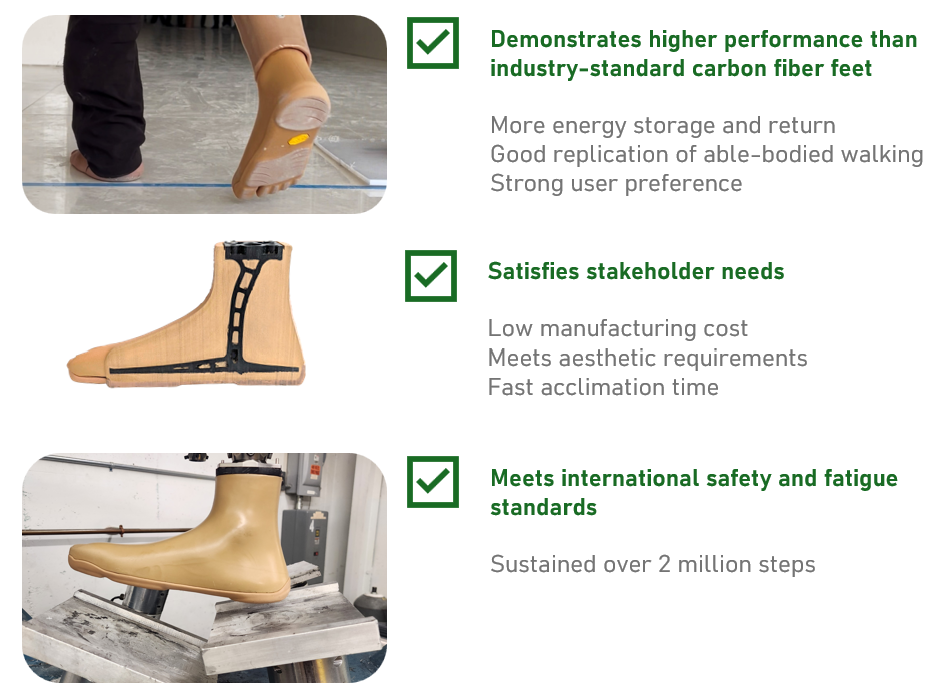
Figure 1: Timeline of the LLTE Foot development, from conceptual design framework to market-ready product
The Lower Leg Trajectory Error (LLTE) framework evaluates and designs passive prosthetic feet that enable specific walking patterns.
To ensure our new foot design meets the needs of users, we interviewed 74 stakeholders (users, clinicians, manufacturers, and distributors) in India to construct a holistic techno-socioeconomic analysis. Stakeholder feedback prioritized replication of able-bodied walking, leading to the development of our novel framework for designing prosthetic feet called Lower Leg Trajectory Error (LLTE). The LLTE framework quantitatively connects mechanical design (foot shape and stiffness) to biomechanical performance. This means that we can optimize the compliance and geometry of a passive prosthesis to replicate able-bodied gait dynamics using affordable materials.
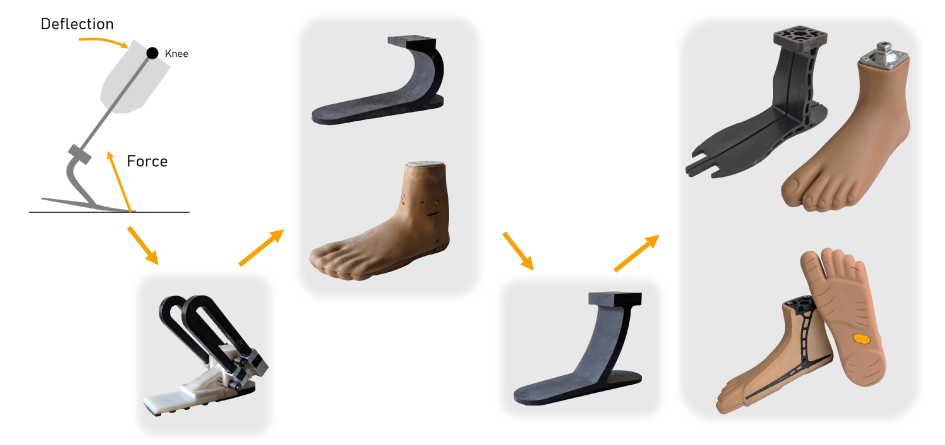
Figure 3: The LLTE foot was well-liked by users in India in a one-month pre-production field trial
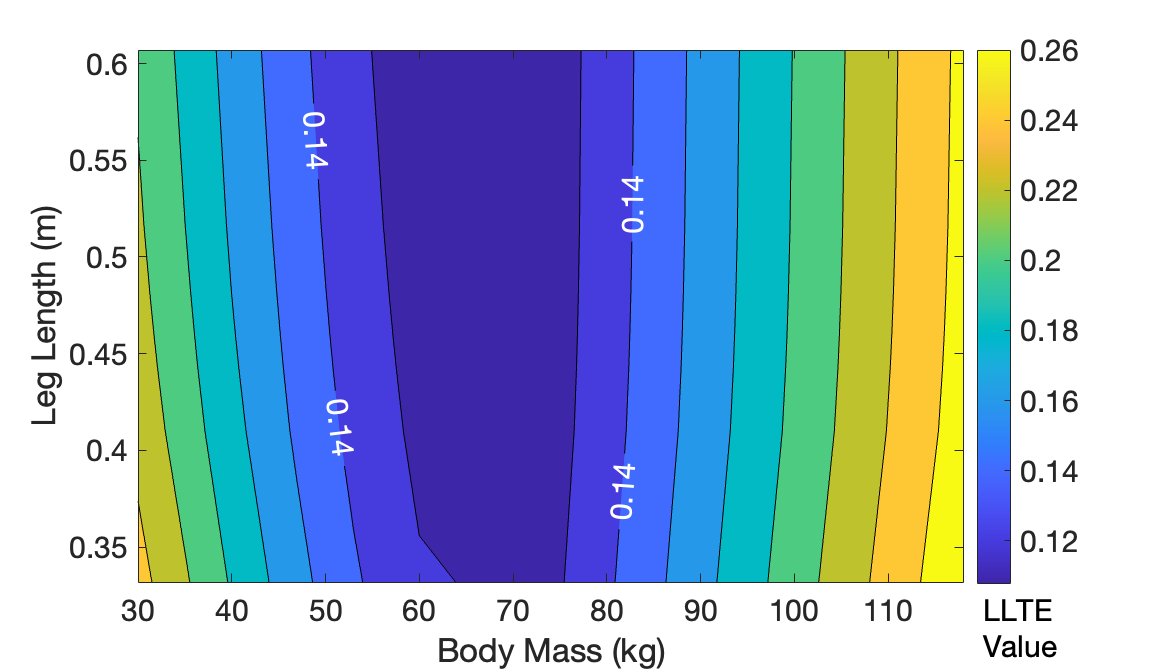
Figure 4: Biomechanical performance is measured by Lower Leg Trajectory Error (LLTE), where lower LLTE values are better. The plot shows how body mass and leg length affect biomechanical performance. A product line of size and stiffness options is needed to fit the different body shapes in a population.
Pediatric Prosthetic Feet Designed using the LLTE Framework
Appropriate lower-limb prostheses can support children's mobility, participation and development; however, many children in low-resource settings face limited access to devices and services suited to their needs. Most affordable, accessible options for children in LMICs lack the durability and energy return required to meet children’s active lifestyles. Furthermore, there is limited research into what makes a “good” prosthetic device for children with lower-limb amputation, and how user needs vary across different contexts. We aim to elucidate the design requirements for an affordable prosthetic foot that is appropriate for movement patterns and the cultural context of children living in India, and adapt the LLTE framework to produce prosthetic solutions appropriate for children.
Publications
Peer-Reviewed Journal Articles
Experimental Assessment of the Hip Trajectory Error Framework for Designing Prosthetic Feet for Above-Knee Amputees During Walking
Nina T. Petelina, Amanda L. Shorter, Marina Tutuianu, Amos G. Winter V. Journal of Biomechanical Engineering (2025) || download
Hip Trajectory Error: A Framework for Designing and Evaluating Passive Prosthetic Feet for People With an Above-Knee Amputation
Nina T. Petelina, Amanda L. Shorter, Amos G. Winter, V. Journal of Mechanical Design (2025) || download
Design and Mechanical Validation of Commercially Viable, Personalized Passive Prosthetic Feet
Charlotte Folinus, Amos G. Winter, V. Journal of Mechanical Design (2025) || download
Multi-keel Passive Prosthetic Foot Design Optimization Using the Lower Leg Trajectory Error Framework
Victor Prost, Heidi V Peterson, Amos G. Winter, V. Journal of Mechanisms and Robotics (2022) || download
Systematic Assessment of Prosthesis Stiffness on User Biomechanics Using the Lower Leg Trajectory Error Framework and Its Implication for the Design and Evaluation of Ankle-Foot Prostheses
Victor Prost, W. Brett Johnson, Jenny A. Kent, Matthew J. Major, Amos G. Winter V. Journal of Biomedical Engineering (2023) || download
Design and Evaluation of a High-Performance, Low-Cost Prosthetic Foot for Developing Countries
W. Brett Johnson, Victor Prost, Pooja Mukul, Amos G. Winter V. Journal of Medical Devices (2023) || download
Multi-keel Passive Prosthetic Foot Design Optimization Using the Lower Leg Trajectory Error Framework
Victor Prost, Heidi V Peterson, Amos G. Winter V. Journal of Mechanisms and Robotics (2023) || download
Biomechanical evaluation over level ground walking of user‑specific prosthetic feet designed using the lower leg trajectory error framework
Victor Prost, W. Brett Johnson, Jenny A. Kent, Matthew J. Major & Amos G. Winter V. Nature Scientific Reports (2022) || download
Biomechanical Evaluation of Prosthetic Feet Designed Using the Lower Leg Trajectory Error Framework
Victor Prost, W Brett Johnson, Jenny A Kent, Matthew J Major, Amos G Winter. Preprint in Research Square (2021) || download
Experimental Demonstration of the Lower Leg Trajectory Error Framework Using Physiological Data as Input
Olesnavage, K.M., Prost, V., Johnson, W.B., Major, M.J., & Winter, A. ASME Journal of Biomechanical Engineering (2021) || download
Experimental Demonstration of the Lower Leg Trajectory Error Framework Using Physiological Data as Input
Olesnavage, K.M., Prost, V., Johnson, W.B., Major, M.J., & Winter, A. ASME Journal of Biomechanical Engineering (2020) || download
Passive Prosthetic Foot Shape and Size Optimization Using Lower Leg Trajectory Error
Olesnavage, K.M., Prost, V., Johnson, W.B., & Winter, A., ASME Journal of Mechanical Design (2018) || download
Design and Testing of a Prosthetic Foot with Interchangeable Custom Rotational Springs for Evaluating Lower Leg Trajectory Error, an Optimization Framework for Prosthetic Feet
Prost, V., Olesnavage, K.M., Johnson, W.B., Major, M.J., & Winter, A., ASME Journal of Mechanisms and Robotics (2018) || download
A Novel Framework for Quantitatively Connecting the Mechanical Design of Passive Prosthetic Feet to Lower Leg Trajectory
Olesnavage, K.M., & Winter, A., IEEE Transactions on Neural Systems and Rehabilitation Engineering (2018) || download
Peer-Reviewed Conference Articles
Fatigue analysis of low-cost, high-performance, mass-manufacturable prosthetic feet for low- and middle-income country markets
Geil, A., Shorter, A., Winter V, A.G., ISPO World Congress, Stockholm, Sweden (2025)
Design of a Mass-Manufacturable Passive Prosthetic Foot
Geil, A., Irani, U., Reddie, M., Shorter, A., Winter V, A.G., ASME IDETC/CIE, Washington D.C., USA (2024)
Design of a Mass-Manufacturable, Globally Distributable Passive Prosthetic Foot
Irani, U., Winter V, A.G., Dynamic Walking Conference, Munich, Germany (2023)
Multi-Keel Passive Prosthetic Foot Design Optimization Using the Lower Leg Trajectory Error Framework
Prost, V, Peterson, HV, & Winter, AG, V. ASME/IDETC: 45th Mechanisms and Robotics Conference (2021) Virtual
Design of Customized, 3D Printed Prosthetic Feet using the Lower Leg Trajectory Error Metric
Folinus, C. M. and Winter, A.G. 18th World Congress of the International Society of Prosthetics and Orthotics (2021)
Experimental Investigation of Passive Prosthetic Feet Designed for Multiple Walking Activities using the Lower Leg Trajectory Error Methodology
Folinus, C. M., Prost, V., and Winter, A. G. 16th Annual Dynamic Walking Conference (2021). Virtual.
Design and Testing of a Prosthetic Foot Prototype with Interchangeable Custom Rotational Springs to Adjust Ankle Stiffness for Evaluating Lower Leg Trajectory Error, an Optimization Metric for Prosthetic Feet
Prost, V., Olesnavage, K.M., & Winter, A., 41st Mechanisms and Robotics Conference ASME IDETC/CIE (2017)
Development of a Passive and Slope Adaptable Prosthetic Foot
Amiot, D.E., Schmidt, R.M., Law, A., Meinig, E.P., Yu, L., Olesnavage, K.M., Prost, V., & Winter, A., 41st Mechanisms and Robotics Conference ASME IDETC/CIE (2017)
Passive Prosthetic Foot Shape and Size Optimization Using Lower Leg Trajectory Error
Olesnavage, K.M., & Winter, A., 41st Mechanisms and Robotics Conference ASME IDETC/CIE (2017)
Design and Preliminary Testing of a Prototype for Evaluating Lower Leg Trajectory Error as an Optimization Metric for Prosthetic Feet
Olesnavage, K., & Winter, A., 40th Mechanisms and Robotics Conference ASME IDETC/CIE (2016)
Lower Leg Trajectory Error: A Novel Optimization Parameter for Designing Passive Prosthetic Feet
Olesnavage, K., & Winter, A., 14th International Conference on Rehabilitation Robotics, IEEE/RAS-EMBS ICORR (2015)
Design and Qualitative Testing of a Prosthetic Foot with Rotational Ankle and Metatarsal Joints to Mimic Physiological Roll-Over Shape
Olesnavage, K., & Winter, A., 39th Mechanisms and Robotics Conference ASME IDETC/CIE (2015)
Analysis of Rollover Shape and Energy Storage and Return in Cantilever Beam-Type Prosthetic Feet
Olesnavage, K., & Winter, A., 38th Mechanisms and Robotics Conference ASME IDETC/CIE (2014)
Theses
Design and Mechanical Validation of Commercially Viable, Personalized Passive Prosthetic Feet
Charlotte Folinus, Master’s Thesis (MIT, May 2022)
Development and Validation of a Passive Prosthetic Foot Design Framework based on Lower Leg Dynamics
Victor Prost, PhD Thesis (MIT, August 2021)
Design of a Novel Mechatronic System to Test Prosthetic Feet Under Specific Walking Activity Loads and Evaluate their Lower Leg Trajectory Error
Heidi Peterson, Master’s Thesis (MIT, August 2021)
Development and validation of a novel framework for designing and optimizing passive prosthetic feet using lower leg trajectory
Olesnavage, K.M., PhD Thesis (MIT, 2017)
Experimental validation of the Lower Leg Trajectory Error, an optimization metric for prosthetic feet
Prost, V., Master's Thesis (MIT, 2017)
Design and Evaluation of a Cantilever Beam – Type Prosthetic Foot for Indian Persons with Amputations
Olesnavage, K.., Master's Thesis (MIT, 2014)
Press
Prof. Amos Winter joins “BOOM: Biomechanics on our Minds” podcast, available on Spotify, SoundCloud, or Apple Podcast
Prosthetic foot project, "A Better Prosthetic Foot for the Developing World," on Inside Science
Prosthetic foot project, "Low-cost prosthetic foot mimics natural walking," on MIT News
Kathryn Olesnavage under the Spotlight, on Tata Center News
Kathryn Olesnavage Graduate Winner of the Lemelson-MIT Student Prize "Cure it!", on MIT News
Katy Olesnavage Featured Student, on MIT MechE