
Teaching

Combines rigorous engineering theory and user-centered product design to create technologies for developing and emerging markets. Covers machine design theory to parametrically analyze technologies; bottom-up/top-down design processes; engagement of stakeholders in the design process; socioeconomic factors that affect adoption of products; and developing/emerging market dynamics and their effect on business and technology.
Includes guest lectures from subject matter experts in relevant fields and case studies on successful and failed technologies. Student teams apply course material to term-long projects to create new technologies, developed in collaboration with industrial partners and other stakeholders in developing/emerging markets.
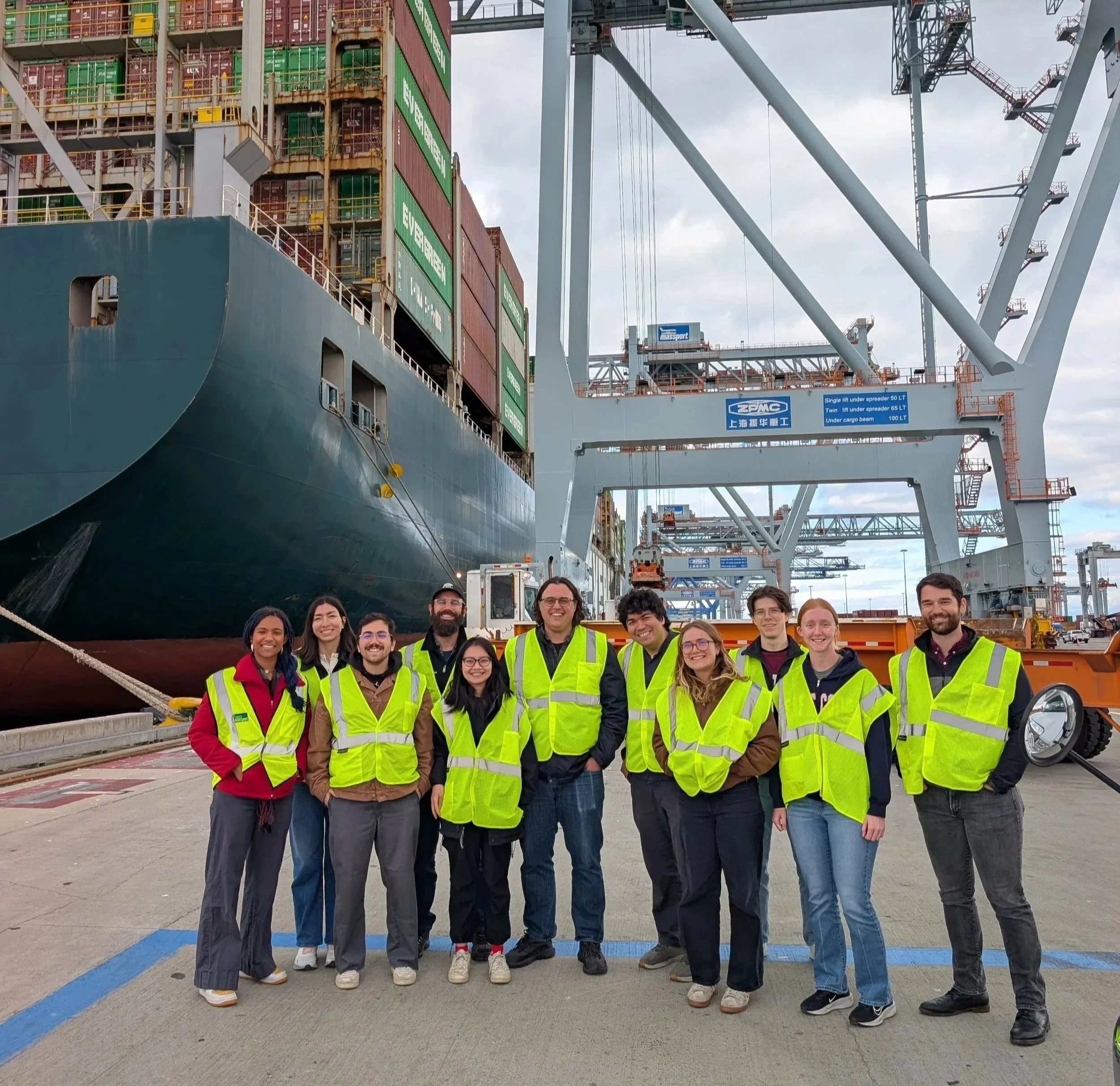
Combines rigorous engineering theory and user-centered product design to create and disseminate green technologies for global markets. Instruction focused on analyzing barriers to large-scale adoption of green technologies and utilizing engineering skills to promote greater adoption. Students engage in physics-based machine design theory and experiments to parametrically analyze green technologies, coupled with product design principles to understand policy, cultural, market-driven, and economic factors.
Includes guest lectures, case studies, and a term-long project to create a techno-economic analysis on a green technology. Instruction and practice in oral and written communication provided.
*A techno-economic and green technology focused course that’s offered on an alternating cycle with 2.76 Global Engineering (above).
2.007 Design & Manufacturing
Develops students' competence and self-confidence as design engineers. Emphasis on the creative design process bolstered by application of physical laws. Instruction on how to complete projects on schedule and within budget. Robustness and manufacturability are emphasized. Subject relies on active learning via a major design-and-build project.
Lecture topics include idea generation, estimation, concept selection, visual thinking, computer-aided design (CAD), mechanism design, machine elements, basic electronics, technical communication, and ethics.
