
News: GEAR ICARDA Meeting
Beyond the Lab: MIT and ICARDA Forge a Tech-to-Field Pipeline for Arid Agriculture
What Comes Next
The March 16 to 17 workshop was only the beginning. Follow-up meetings are scheduled, including a second convening in the GCC in June. Leadership from both institutions has committed to moving from strategy into concrete projects. With growing demand for proven solutions, and both institutions bringing complementary expertise, the conditions are in place for this collaboration to move quickly from strategy to implementation. What comes next is turning that foundation into impact at scale.
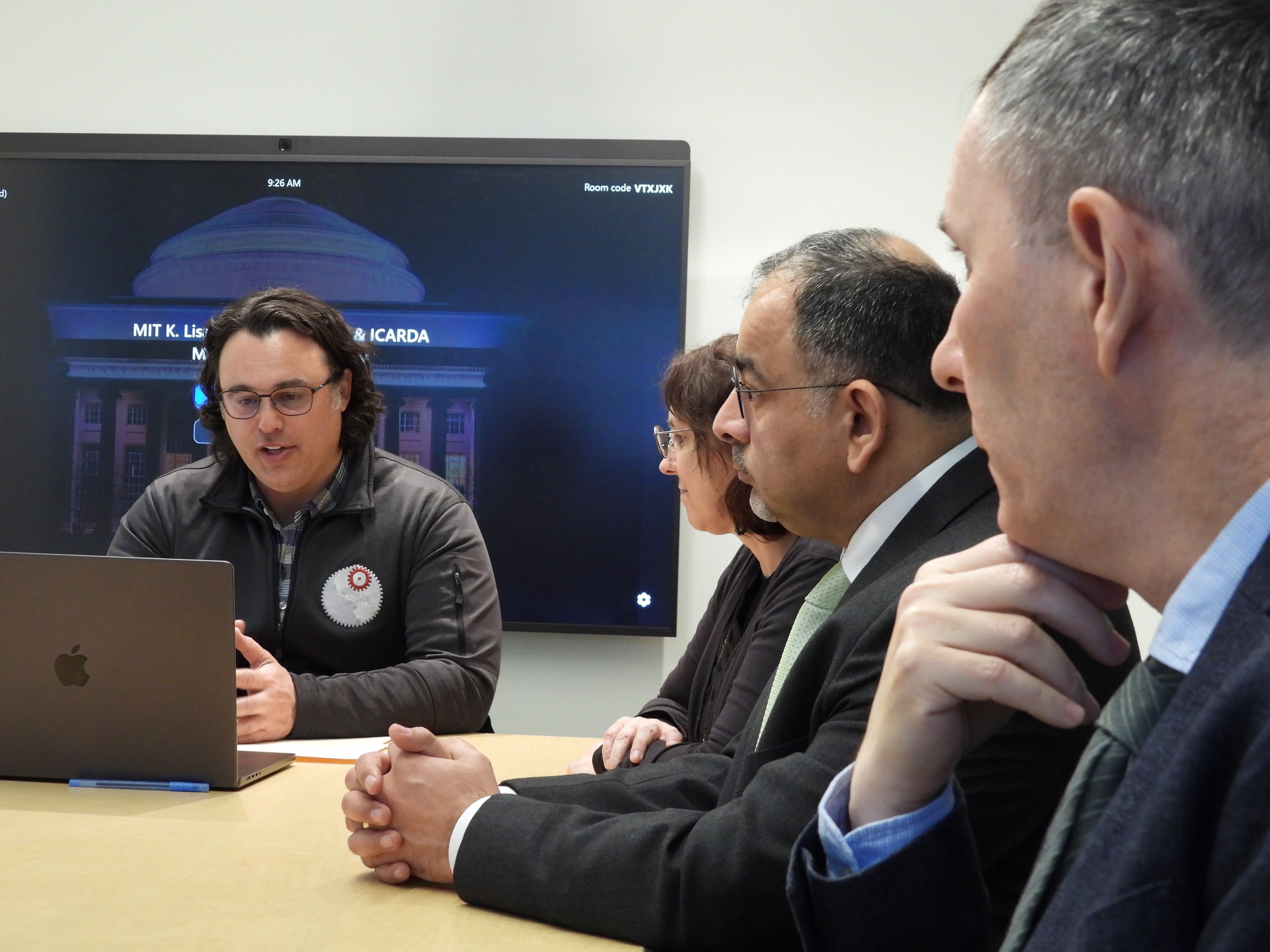
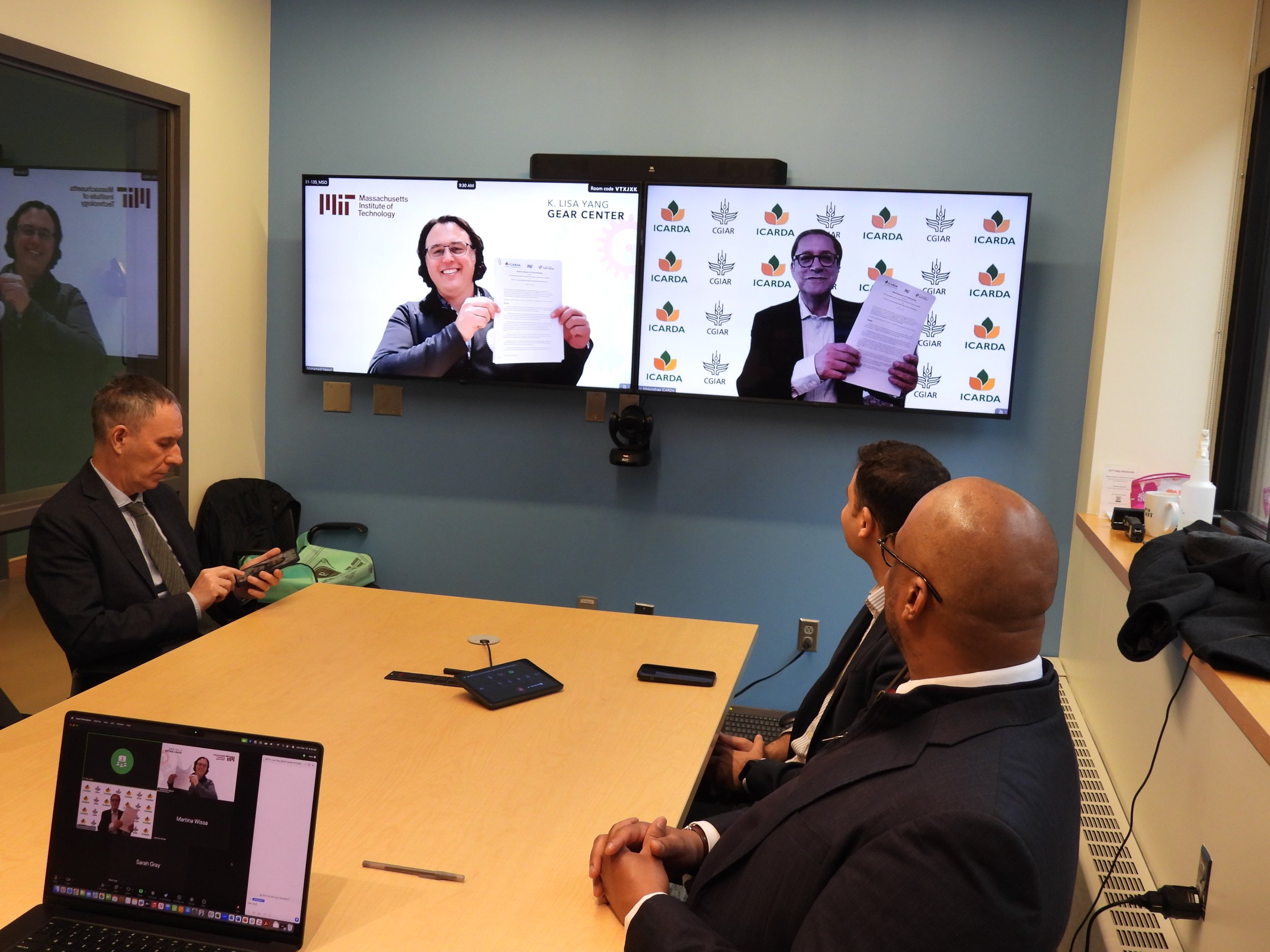
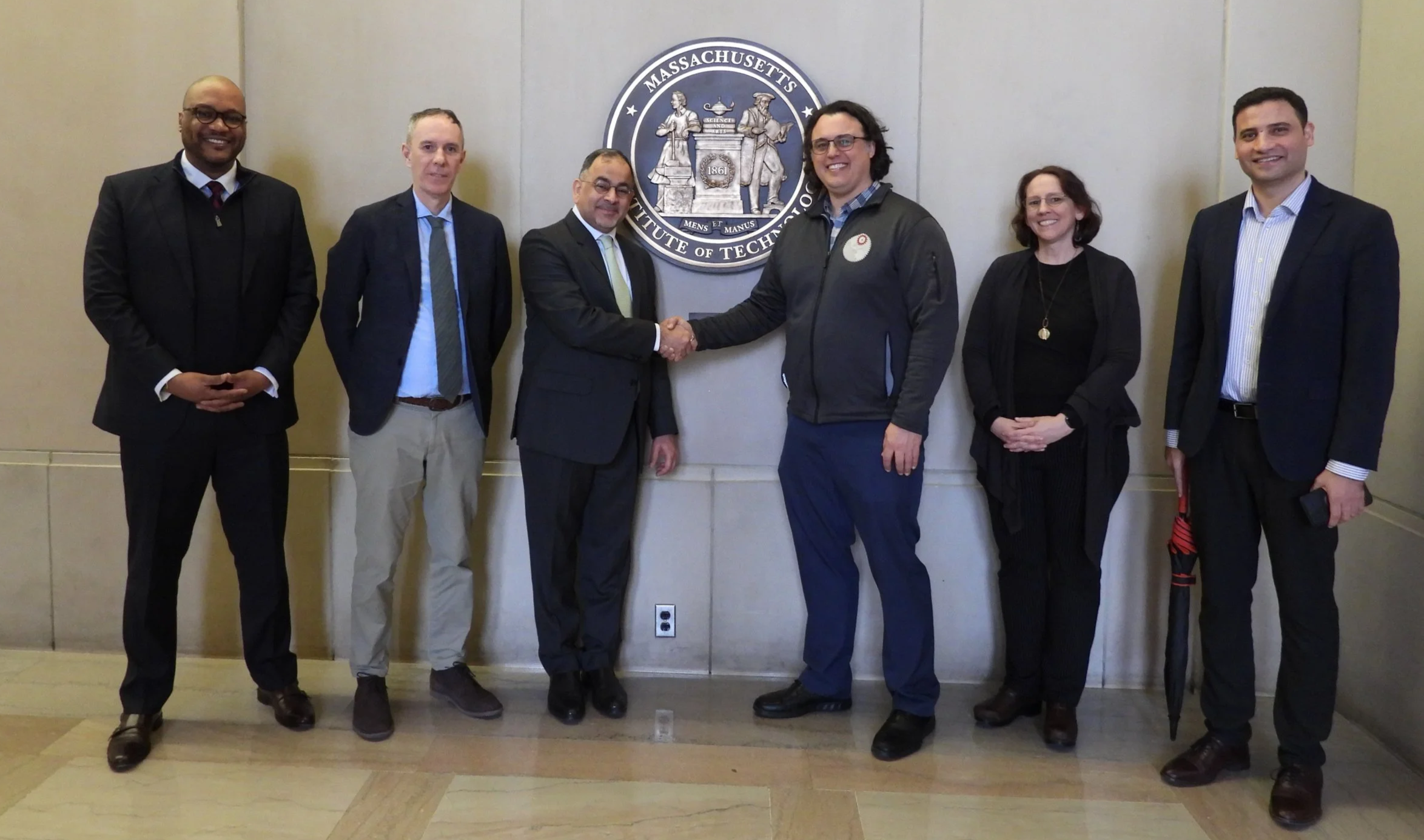
On March 16 to 17, the K. Lisa Yang Global Engineering and Research (GEAR) Center and the MIT Climate Project hosted a high-level delegation from the International Center for Agricultural Research in the Dry Areas (ICARDA) to identify promising research collaborations that could address water, energy, and food challenges in dryland regions, particularly the Middle East and North Africa. The goal was ambitious: bring MIT's innovation capabilities together with ICARDA's decades of agronomic expertise and field presence to develop solutions that governments and donors in the region would fund and scale. The workshop was preceded by the signing of a five-year Memorandum of Understanding (MOU) between ICARDA and the GEAR Center, formalizing more than 10 years of collaboration.
ICARDA is a global non-profit research organization established in 1977 as part of CGIAR, the world's largest publicly funded agricultural research partnership. Its mission is reducing poverty and enhancing food, water, and nutritional security in arid environments by researching hardy crop varieties—barley, lentil, and chickpea—alongside sustainable livestock management and efficient water use.
A Strategic Moment
The timing is deliberate. The Gulf Cooperation Council has signaled substantial interest in funding water-energy-food innovations, and regional water security conferences scheduled for June will provide platforms to present joint collaborations to policymakers and donors. A $200 million joint commitment from the UAE and Gates Foundation to CGIAR for desert greening was announced at COP28.
From Lab to Field
Over a decade, GEAR Center has conducted field pilots with ICARDA in Jordan, Morocco, and Egypt, testing innovations from ultra-low energy drip emitters to AI-enabled irrigation controllers. What emerged was a fundamental insight: scaling breakthrough agricultural technology requires more than just science - it depends on deep agronomic knowledge, longitudinal field data, and an understanding of the local socio-economic factors that drive community adoption. GEAR Center developed a distinctive approach: starting with carefully defined farmer and community needs, then conducting rigorous techno-economic analyses to identify which innovation pathways are most promising. This demand-pull methodology can now be leveraged across a broader portfolio of water-energy-food challenges facing the MENA region.
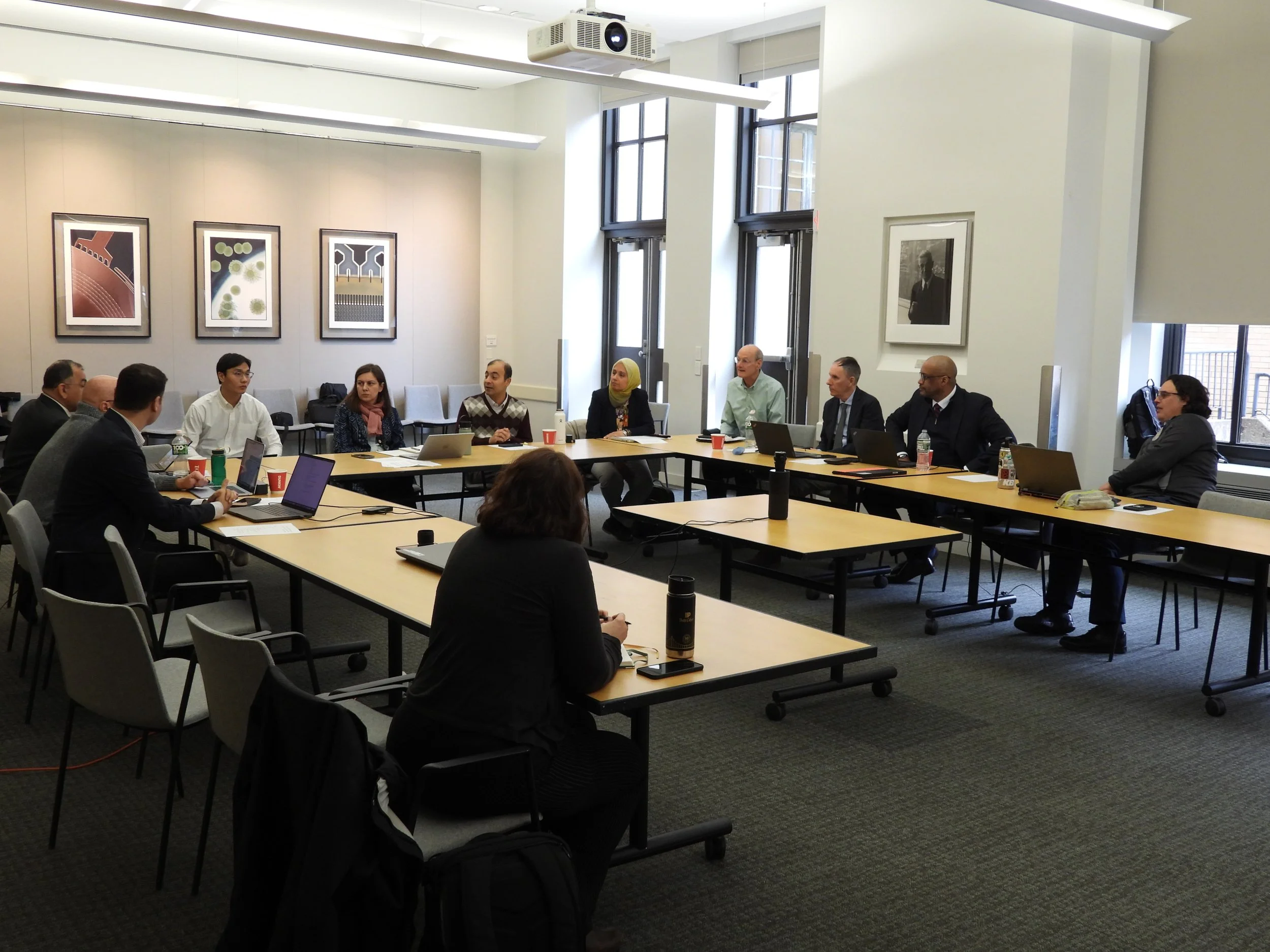
The March workshop showcased the breadth of MIT expertise across the Institute. Faculty presented cutting-edge work spanning solar energy systems and desalination, soil health, crop genetics, harmful algal bloom detection, pesticide application efficiency, and systems modeling for water and energy planning. GEAR Center, the MIT Climate Project, and MIT's Abdul Latif Jameel Water and Food Systems Lab (J-WAFS) played key roles in facilitating deeper connections between ICARDA's needs and relevant MIT researchers, positioning faculty from across campus to engage with dryland challenges. The workshop also made clear what ICARDA brings: research platforms across dryland regions, decades of agronomic data, relationships with national agricultural research systems and farming communities, and critical understanding of the gap between laboratory innovation and farmer adoption.
The collaboration operates on two tracks. Short-term efforts will focus on deploying mature MIT innovations, such as improved drip irrigation, water treatment, and soil enhancement, particularly in the GCC region. Longer-term work will identify "moonshot" challenges requiring new research, with MIT researchers leading innovation work in close collaboration with ICARDA partners. Discussions identified critical priorities, which include economical water production and desalination, drought forecasting, digital decision-support tools, pesticide efficiency, and biological nitrogen fixation in staple crops. This approach is designed to foster collaborations that extend well beyond the initial projects, creating a network of MIT researchers engaged with dryland challenges across the water-energy-food nexus.
"The drylands of today are the living labs of the future," noted ICARDA's Vinay Nangia. "As climate change expands arid zones into the Mediterranean and beyond, the innovations we develop for the MENA region will eventually serve all of humanity."